Commercial Kitchens & Production Areas
- Case Study
- Commercial Kitchens & Production Areas
Cooling large-scale commercial kitchens without traditional air conditioning can be challenging, but effective strategies and equipment can help ensure a comfortable and efficient environment. Several recent installations and case studies highlight innovative solutions like industrial air coolers and strategic airflow management, which have proven highly effective in such settings.
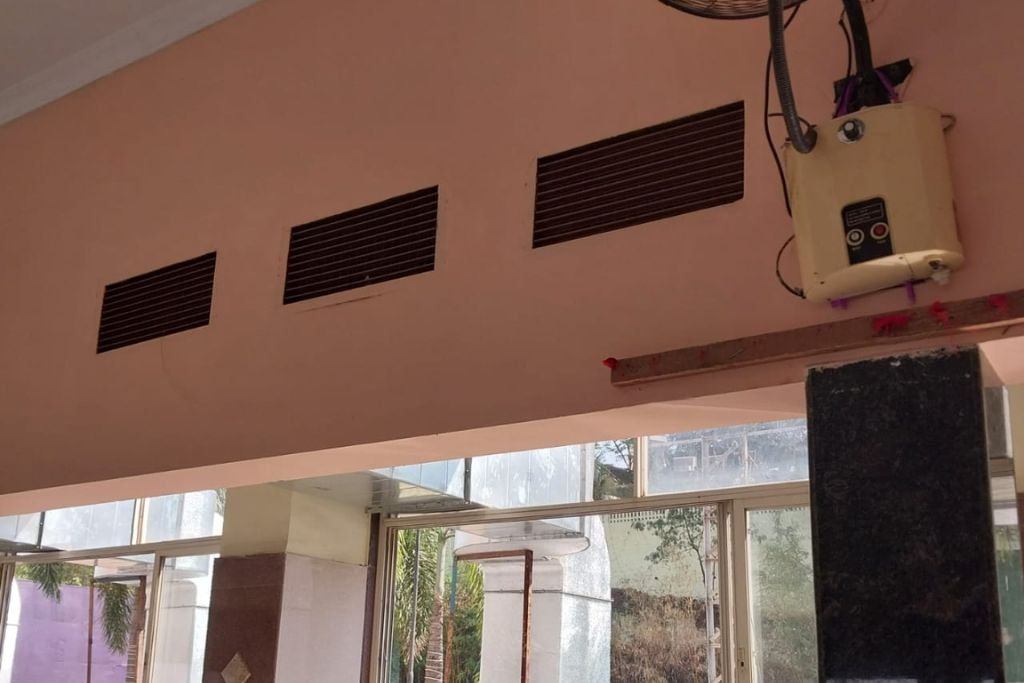
Industrial Air Coolers Transforming Heat Management
In one example, a cloud kitchen used industrial air coolers to manage heat and improve airflow. These coolers bring in fresh, filtered air and push out the hot air. This helps keep the whole kitchen at a steady temperature. They also use less electricity than regular air conditioners and help both the staff and the kitchen equipment last longer.
Strategies for Non-AC Cooling
Key strategies to cool large kitchens include:
Use exhaust fans and ducts to move air around and keep the kitchen well-ventilated.
Try industrial air coolers to cool down busy spots and lower humidity.
Cool down the hottest areas with mini-split or portable coolers for extra comfort where it is needed most.
Use smart controls and heat recovery systems to save energy while keeping the kitchen cool.
Practical Tips from Industry Experts
Other practical tips from experts include positioning fans strategically for optimal airflow, keeping air vents clear, and using evaporative cooling systems, especially in dry environments. These solutions address the high heat loads generated during busy operations, often surpassing what traditional fans or small-scale cooling units can handle.
Solution Type
Description
Benefits
Industrial Air Coolers
High-volume, ducted air flow delivering filtered, cooled air
Uniform temperature, energy efficiency
Ventilation & Exhaust Fans
Remove hot air, improve oxygen flow
Better air exchange, reduced heat pockets
Zoned Mini-Split or Portable ACs
Target specific hot zones in the kitchen
Focused cooling, energy savings
Evaporative Coolers
Use in dry environments to provide cost-effective cooling
Sustainable, energy-efficient cooling
Conclusion
Adapting to high heat loads in commercial kitchens involves a combination of structured airflow, targeted cooling, and innovative equipment. Industrial air coolers, in particular, offer a practical, energy-efficient solution to maintain a comfortable working environment without traditional air conditioning. These methods help ensure safety, enhance worker efficiency, and reduce operational costs, especially in busy, large-scale settings.